



Top Institutions in Ophthalmology
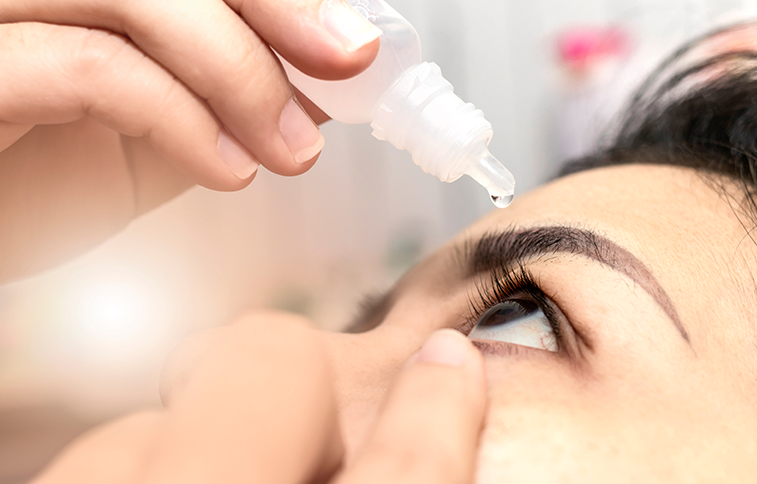
Institutions were ranked based on their known leadership in ophthalmic pharmacology research, clinical trials involving presbyopia treatments, and comprehensive eye care programs integrating novel therapies such as presbyopia drops.
-
#1

Bascom Palmer Eye Institute
Miami, FL
Bascom Palmer is consistently ranked as the top ophthalmology center in the U.S., with extensive research in pharmacologic treatments for refractive errors and presbyopia, and robust clinical trials infrastructure.
-
#2
Massachusetts Eye and Ear Infirmary
Boston, MA
Known for cutting-edge research in refractive eye disorders and pharmacologic innovations, Mass Eye and Ear has contributed significantly to the development and clinical evaluation of presbyopia therapies.
-
#3
Johns Hopkins Wilmer Eye Institute
Baltimore, MD
Wilmer Eye Institute is a leader in vision research and clinical innovation, with a focus on age-related eye diseases and novel therapeutic approaches including pharmacologic management of presbyopia.
-
#4
University of California, San Francisco (UCSF) Department of Ophthalmology
San Francisco, CA
UCSF is recognized for its innovative clinical trials and research in ocular pharmacology, including studies on presbyopia drops and patient-centered care models for age-related vision changes.
-
#5
Mayo Clinic Department of Ophthalmology
Rochester, MN
Mayo Clinic integrates advanced clinical care with research in pharmacologic treatments for presbyopia, emphasizing patient outcomes and long-term management strategies.